
SOLID STATE / MEMS
Labs

- High Temperature Electronics
- UWBG Semiconductor Epi Growth and Devices
- Interface and Heterojunction
- GaN/Ga2O3 for Radiation Applications

- Microfluidics
- Integrated wireless MEMS/NEMS systems
- sensors
- actuators
- circuits
- energy harvesters

The research areas of focus for the Mastrangelo Lab include development of novel, portable ultra-low power sensing mechanisms for environmental analysis and plant health monitoring ; innovative adaptive optical systems for presbyopia correction using smart eye-glasses and smart contact-lenses and new techniques for energy harvesting.

- Manipulation and Characterization of Doping and Defects in b-Ga2O3 (AFOSR MURI)
- Simulation of defects in semiconductor devices
- MBE Growth of Cd3As2
- Using Spread Spectrum Time Domain Reflectometry to Monitor PV Arrays (DOE EERE)
- Electrical characterization of gamma and neutron radiation-induced effects in GaN (DTRA)
- Group-V doping in CdTe & bulk compound semiconductor crystal growth
- Grain Boundaries and back contacts in thin film CdTe solar cells (NSF ECCS)

- Implantable sensors and systems
- Neural interfaces, materials and technologies
- Harsh Environment MEMS, including:
- materials (SiC (on Si), SOI, GaN)
- metallisation systems for high temperatures and aggressive ambient conditions
- silicon fusion bonding and packaging issues

Our areas of study include non-volatile memory devices, microfluidics, microwave technologies for nanometrology, MEMS and NEMS, molecular electronics, and novel electronic materials (carbon nanotubes, and nano-particles) and devices.
We are looking towards the future of electronics by developing self-assembly and self-repairing circuits, non-destructive testing techniques, and new nanometrology tools for the evaluation and testing of these systems.

Yoon’s Research Group investigates the local properties of micro/nano structured systems at the length scales of relevant physical processes. Based on this fundamental knowledge, we develop exploratory devices in energy, optoelectronics, and chemical and biomedical applications. Our current research focuses on the development of in-situ, local measurement techniques using an electron beam and a focused light source. The versatile multi-probe approaches will elucidate structure-property relationship of a wide range of micro/nanomaterials and devices.
WIRELESS MICROSYSTEMS LAB
- Digital Circuits & Systems
- Wireless Microsystems (Sensors and ASICs) Technology
Faculty
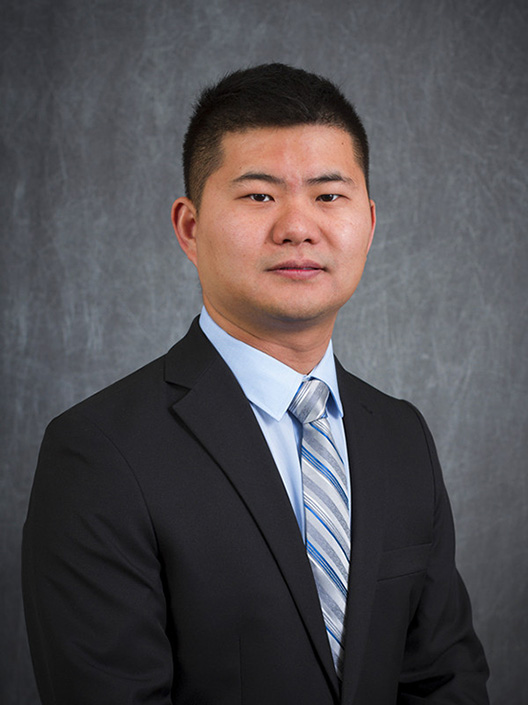
Kai Fu
Assistant Professor
- Phone: 801-581-8566
- Email: kai.fu@utah.edu
- Office: MEB 2136
Semiconductor devices, wide bandgap semiconductors (GaN, AlN, Ga2O3, BN, diamond), material epitaxy science, nanofabrication, semiconductor characterization, reliability, heterogeneous integration, power electronics, high-temperature electronics
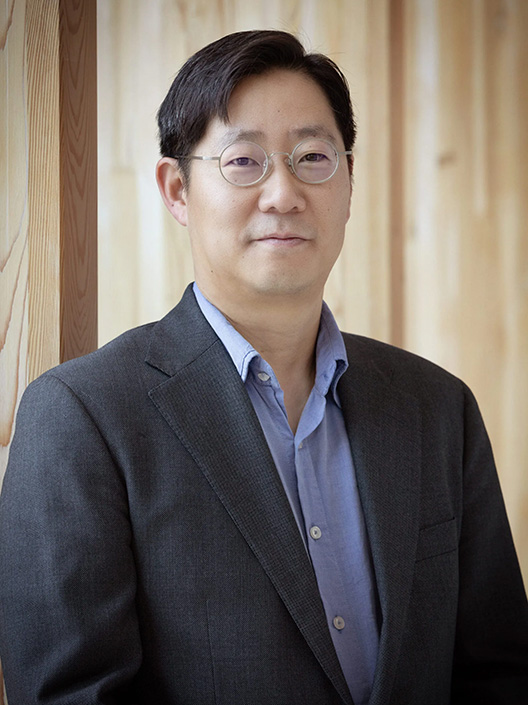
Hanseup Kim
Department Chair; Director, Utah Nanofab; H. Kent Bowen Endowed Professor
USTAR Professor
- Phone: 801-587-9497
- Email: hanseup.kim@utah.edu
- Office: MEB 2110C | SMBB 3709
Biological nano- and micro-systems in moving fluids for medical applications including micro- pumps and valves. System integration in robotics and energy harvesting for micro- robots, actuators, hydraulics, energy harvesting systems, and manufacturing technology
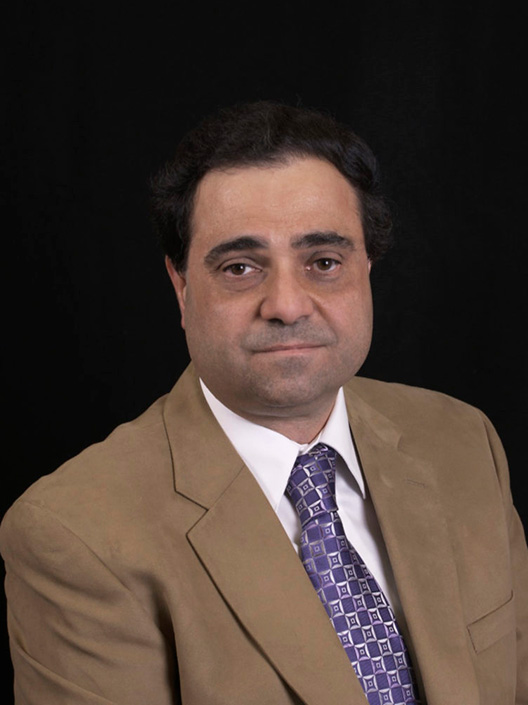
Carlos Mastrangelo
USTAR Professor
- Phone: 801-587-7587
- Email: carlos.mastrangelo@utah.edu
Microfabricated systems that interface with biological structures at multiple scales. These include new microfluidics technologies, bioMEMS, novel detection microtechnologies and methods, cell and tissue level microinstruments and microsystems.
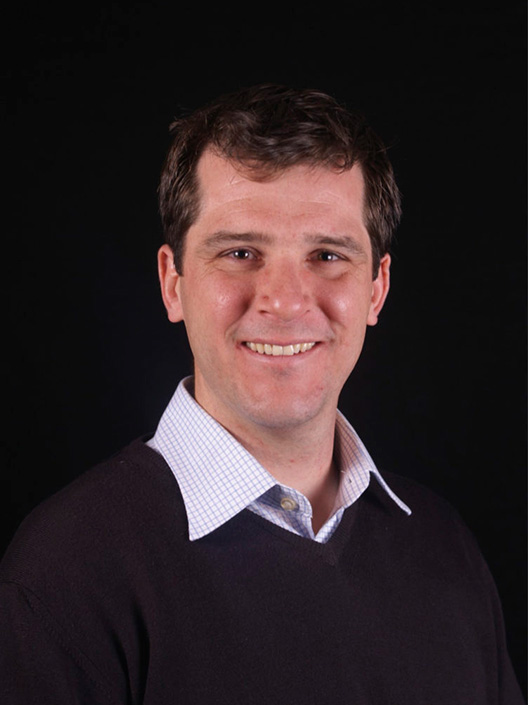
Mike Scarpulla
Professor
- Phone: 801-585-1231
- Email: scarpulla@eng.utah.edu
- Office: MEB 2138
Semiconductors and photovoltaics: earth-abundant, benign compound semiconductors for thin film photovoltaics such as Cu2ZnSnS4. Other sulfide semiconductors for PV, light management for thin film PV, CIGS, laser processing of semiconductors, and the physics of semiconductor alloys and transition metal and rare earth additions to semiconductors.
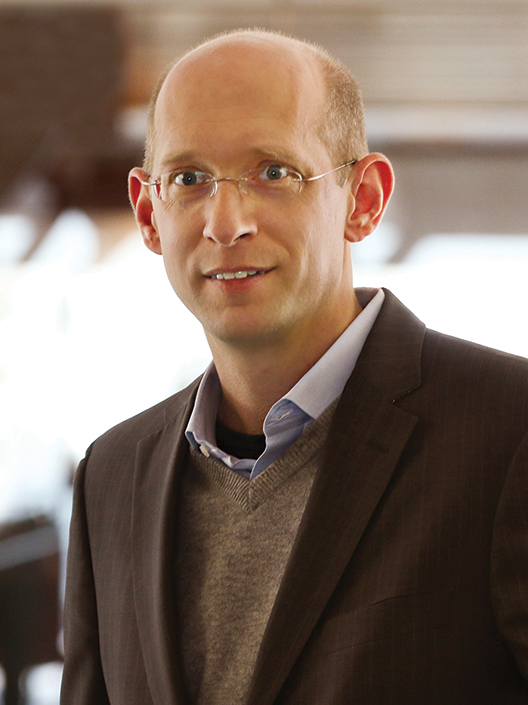
Florian Solzbacher
Gerald and Barbara Stringfellow Endowed and Distinguished Professor
- Phone: 801-581-6942
- Email: florian.solzbacher@utah.edu
Harsh Environment MEMS, including: materials (SiC (on Si), SOI, GaN), metallisation systems for high temperatures and aggressive ambient conditions, and silicon fusion bonding and packaging issues
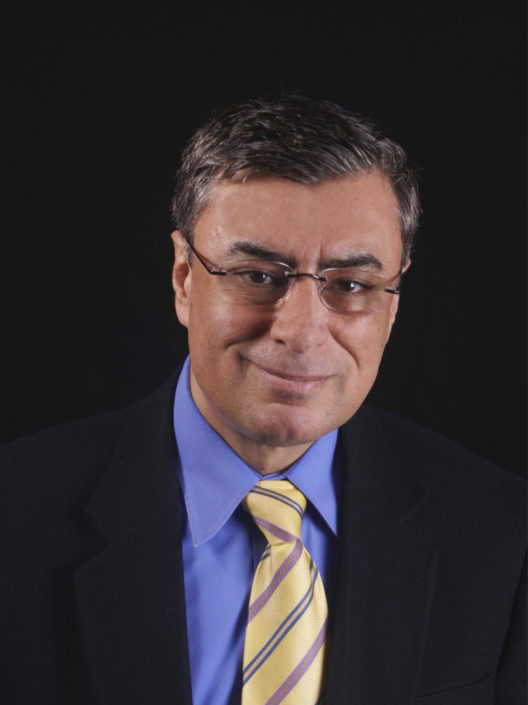
Massood Tabib-Azar
USTAR Professor
- Phone: 801-581-8775
- Email: azar.m@utah.edu
- Office: SMBB 3737
Nano-electro-mechanical systems (NEMS), nano devices and molecular electronics, metrology tools, microwave-AFM for bio-nano-info, and novel fabrication techniques
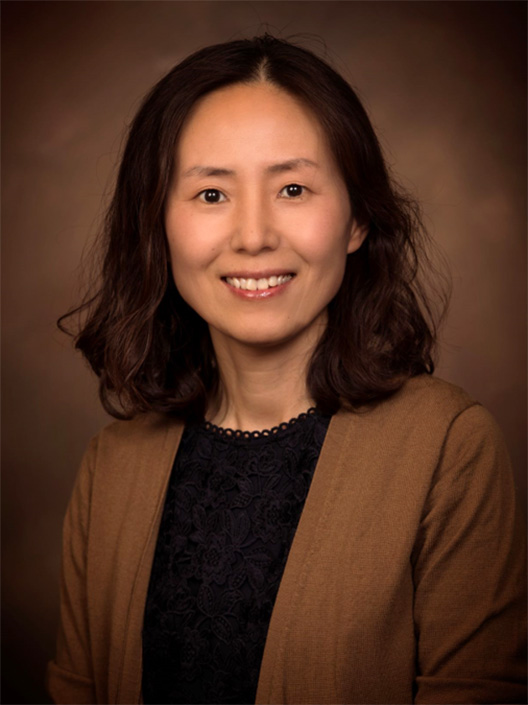
Heayoung Yoon
Associate Professor
- Phone: 801-585-0334
- Email: heayoung.yoon@utah.edu
- Office: MEB 2132
Solar energy conversion, NanoEngineering: Engineering micro/nanomaterials to enhance device performance and functionality in the fields of solar energy conversion, advanced nanoelectronics, and 3D hybrid imaging at nanoscale
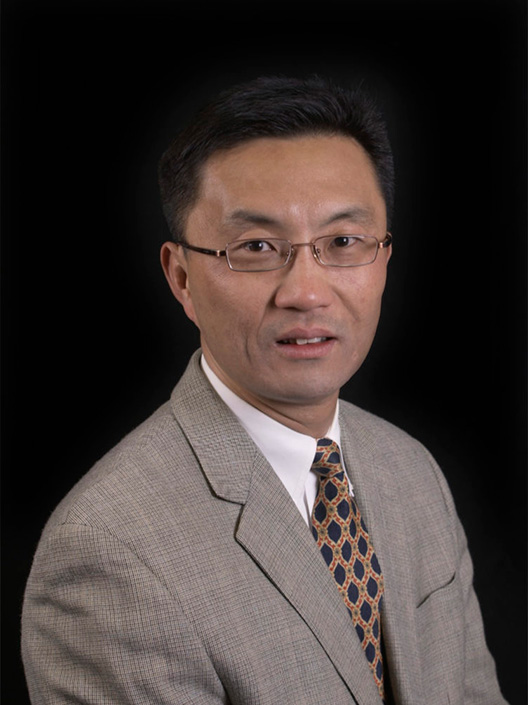
Darrin Young
USTAR Associate Professor
- Phone: 801-581-6512
- Email: darrin.young@utah.edu
- Office: SMBB 3741
Low-power integrated circuits design coupled with MEMS-based sensing systems for wearable sensing, biomedical implant, environmental sensing, power transfer, RF communication, and general industrial sensing applications